
What Impacts the Cost of Liquid Filling
If you've ever tried to get a quote for liquid filling and walked away more confused than when you started, you're not alone. Pricing in the liquid filling industry can feel like a moving target. One product seems straightforward, but the quote comes back higher than expected. Another product sounds complex, yet the cost is surprisingly reasonable. So what's actually driving those numbers? Understanding the factors that influence liquid filling costs can help you plan smarter, budget more accurately, and find the right partner for your production needs.

Table of Contents
The Type of Product Being Filled
Not all liquids are created equal, and filling equipment has to account for that. A thin, water-like solution behaves very differently from a thick, viscous gel or a foamy cosmetic product. The viscosity of your product, along with its chemical composition, temperature sensitivity, and whether it's flammable or reactive, all play a role in determining what kind of equipment and handling are required.
For example, products in the personal care or cosmetics packaging space often require specialized nozzles, temperature-controlled environments, or gentle handling to preserve texture and consistency. Products that are corrosive or require sterile conditions add another layer of complexity. The more demanding your product's requirements, the more it typically costs to fill it properly. That said, working with an experienced liquid filling company that already has the right equipment in place can significantly reduce those costs compared to trying to build that capability in-house.
Container Type and Size
The container your product goes into is one of the most straightforward cost drivers. Bottles, jars, pouches, jugs, and tubes all require different filling heads, conveyors, capping mechanisms, and handling systems. Odd-shaped containers or custom packaging that doesn't work well with standard automated filling equipment may require manual intervention, slowing down production and increasing labor costs.
Container size matters too. Filling thousands of small 1-ounce bottles takes more time and handling than filling a smaller number of large gallon jugs, even if the total volume of liquid is the same. Changeovers between container sizes also take time, which factors into overall production costs, especially if you're running multiple SKUs in a single production run.

Production Volume
Volume is one of the biggest levers in liquid filling pricing. Like most manufacturing processes, liquid filling benefits from economies of scale. The more units you produce in a single run, the lower your cost per unit tends to be. Setup time, machine calibration, line changeovers, and quality checks are largely fixed costs, meaning they get spread across more units as volume increases.
This is why many contract packaging and contract filling providers have minimum order quantities. It's not arbitrary; it's about making production economically viable for both sides. If you're a smaller brand or launching a new product, it's worth having an honest conversation with your liquid filling solutions provider about how to structure your runs to keep costs manageable while you scale.
Batch Sizes and Scheduling
Beyond total volume, how you schedule your production runs can affect cost. Rush orders, short-notice requests, or frequent small batches can carry a premium compared to planned, recurring production schedules. Building a predictable production calendar with your co-packing or contract manufacturing partner often leads to better pricing and more consistent output.
The Filling Method Used
There are several different filling methods used in the liquid filling industry, and the right one depends entirely on your product and container. Common methods include overflow filling, gravity filling, pump filling, and piston filling, among others. Each has its own equipment requirements and is better suited to specific product types and viscosities.
Automated filling is generally more cost-efficient at scale than manual or semi-automatic filling, but the upfront setup for certain methods can be higher. If you're working with a contract filling partner that already has the equipment and expertise in place, you avoid those capital costs entirely. That's one of the core advantages of outsourcing to a company like Automated Filling Services rather than investing in your own filling line.
Labeling, Packaging, and Finishing
Filling the product is just one part of the equation. What happens after the liquid goes into the container also affects your total cost. Capping, sealing, labeling, shrink-wrapping, case packing, and palletizing are all downstream steps that add time and resources to a production run.
If you're using white labeling services, for instance, the design and label application process needs to be factored in. Custom labels with complex die-cuts or multiple label placements per container will cost more to apply than a simple front-and-back label on a standard bottle. The more steps involved in finishing your product, the more your overall per-unit cost will reflect that.
Sourcing Materials vs. Providing Your Own
Some contract packaging partners will source containers, caps, labels, and other materials on your behalf, while others expect you to supply them. If your partner is sourcing materials, their buying power may actually work in your favor, but it's worth comparing that against your own supplier relationships to make sure you're getting the best value.
Regulatory and Compliance Requirements
Depending on your industry, regulatory requirements can have a meaningful impact on cost. Products in food and beverage, pharmaceuticals, or personal care often need to be produced in facilities that meet specific certifications or standards, such as FDA registration, GMP compliance, or NSF certification. Filling in a compliant facility requires ongoing audits, documentation, and operational protocols that all factor into pricing.
This isn't a reason to avoid working with a compliant facility. Quite the opposite. Working with a certified contract manufacturing partner protects your brand and your customers. It's simply worth understanding that compliance infrastructure has real costs, and those costs are reflected in what a reputable liquid filling solutions provider charges.
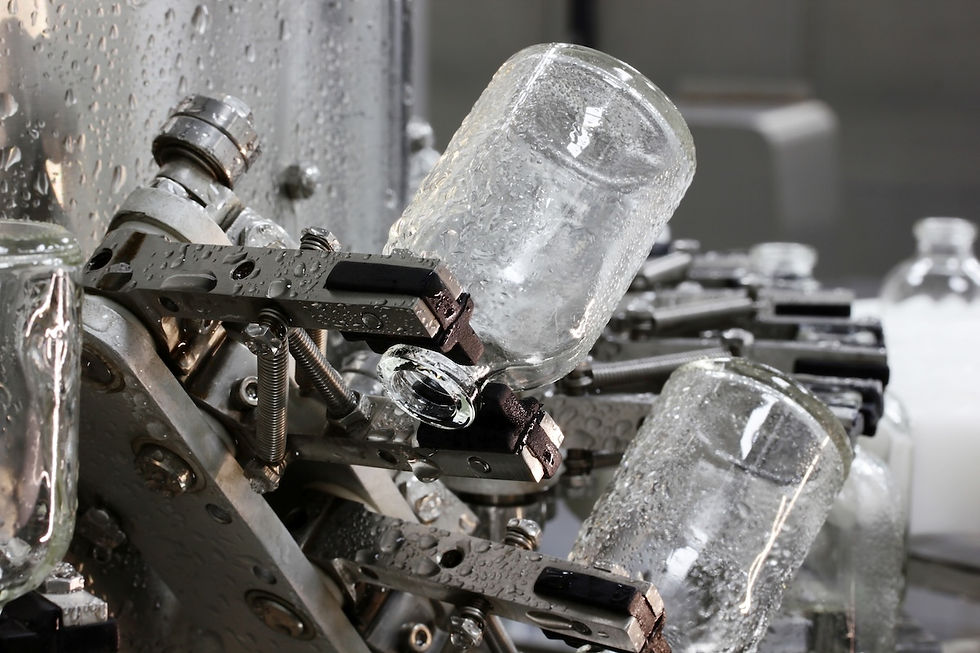
What Impacts the Cost of Liquid Filling: Working with Automated Filling Services
Understanding what impacts the cost of liquid filling puts you in a much stronger position when evaluating your options. From product complexity and container type to volume, filling method, and compliance requirements, each variable plays a role in what you'll ultimately pay. The good news is that working with the right partner can simplify a lot of these decisions. Automated Filling Services brings the equipment, expertise, and flexibility to handle a wide range of liquid filling needs efficiently and transparently. Explore our services to see how we can support your production goals, and reach out to get a quote tailored to your specific product. Contact us today to learn more.


Comments