
Types of Pharmaceutical Products That Use Liquid Filling Services
Liquid medications play a major role in modern pharmaceutical production. From everyday cough syrups to specialized injectable drugs, many treatments rely on precise liquid filling processes to ensure safety, accuracy, and consistency. Understanding which pharmaceutical products use liquid filling services — and why — helps brands, manufacturers, and formulators make better decisions as they scale production or bring new products to market.
Liquid Filling for Pharmaceutical Products is especially important because even small variations in volume, contamination control, or packaging integrity can impact patient safety and regulatory compliance. This article breaks down the most common types of pharmaceutical products that rely on liquid filling, how they’re manufactured, and what to consider when choosing liquid filling services.

Table of Contents
Oral Liquid Medications
Oral liquid medications are among the most widely recognized pharmaceutical products that use liquid filling services. These products are often designed for patients who have difficulty swallowing pills, including children, older adults, and individuals with specific medical needs.
Common oral liquid products include:
Cough syrups and cold remedies
Antacids and digestive solutions
Pediatric antibiotics
Liquid pain relievers
These products typically require precise dosing accuracy, consistent viscosity, and stable product formulations. Liquid manufacturing for oral medications must also consider shelf stability, taste masking, and packaging compatibility. Bottles, caps, and measuring devices all need to work together to support safe use and compliance testing. Because many oral liquid medications are produced at high volumes, automated filling services are often used to maintain speed while reducing human error.
Injectable Pharmaceutical Products
Injectable medications are one of the most regulated categories of pharmaceutical products that use liquid filling services. These products are delivered directly into the body, which means strict contamination control and sterile processing are non-negotiable.
Injectable products commonly include:
Vaccines
Biologics
Insulin and hormone therapies
IV solutions
Liquid filling for injectable products typically occurs in cleanroom environments under carefully monitored conditions. Compliance testing, sterility assurance, and validated filling equipment are essential to meeting regulatory standards set by organizations such as the FDA.
Contract liquid filling partners often support injectable products by handling sterile filling, vial or syringe packaging, and secondary packaging as part of a larger contract manufacturing or co-packing strategy.
Ophthalmic and Otic Solutions
Eye and ear drops require an exceptionally high level of precision and cleanliness. Even minor contamination can cause irritation or infection, making these products highly dependent on controlled liquid filling processes.
Examples include:
Artificial tears
Antibiotic eye drops
Anti-inflammatory ear solutions
These products are usually filled into small bottles with specialized droppers or applicators. Liquid filling services for ophthalmic and otic products must account for drop size consistency, container compatibility, and tamper-evident packaging. Because these solutions often contain preservatives or sensitive active ingredients, product formulations and filling temperatures must be closely managed throughout the process.

Topical Pharmaceutical Liquids
Topical pharmaceutical liquids are applied directly to the skin and include a wide range of treatments for pain, infection, and dermatological conditions.
Common topical liquid products include:
Antiseptic solutions
Liquid antiseptics and disinfectants
Medicated sprays
Liquid wound care treatments
Liquid filling services for topical products must balance accuracy with efficiency, especially when products are produced in multiple container sizes or packaging formats. Contract packaging partners often support these products by managing bottle filling, labeling, and packaging under one roof.
Sustainable packaging is also becoming more common for topical products, with brands exploring eco-friendly manufacturing options such as recyclable bottles or reduced plastic components.
Nasal and Respiratory Products
Nasal sprays and respiratory liquids are another important category of Pharmaceutical Products That Use Liquid Filling Services. These products require precise fill volumes to ensure accurate dosing with each spray or inhalation.
Examples include:
Saline nasal sprays
Allergy treatments
Decongestants
Respiratory therapy solutions
These products often use specialized pumps or spray mechanisms, making packaging compatibility a critical part of the liquid filling process. Automated filling services help maintain consistency while reducing waste and downtime during production runs. Because these products are frequently used on sensitive mucous membranes, compliance testing and quality assurance are key considerations throughout manufacturing.
Nutraceutical and Supplement Liquids
While nutraceuticals and supplements fall into a slightly different regulatory category than prescription pharmaceuticals, many liquid supplements still rely on similar liquid filling services and quality standards.
Examples include:
Liquid vitamins
Herbal extracts
Immune support syrups
Mineral supplements
Liquid manufacturing for supplements often involves unique product formulations, flavor profiles, and viscosity levels. Contract manufacturing partners can support these products through white labeling, contract filling, and co-packing services, allowing brands to scale without investing in in-house equipment. Eco-friendly manufacturing practices are increasingly important in this space, with many brands prioritizing sustainable packaging and cleaner production methods.
Veterinary Pharmaceutical Products
Liquid filling services are also widely used in veterinary pharmaceuticals. These products often mirror human medications but are formulated and packaged specifically for animals.
Common veterinary liquid products include:
Oral medications for pets and livestock
Injectable treatments
Topical antiseptics
Nutritional supplements
Scalability is especially important in veterinary products, as demand can vary significantly based on animal type, seasonality, or disease outbreaks. Contract liquid filling allows veterinary brands to adapt production volumes without compromising quality or compliance.
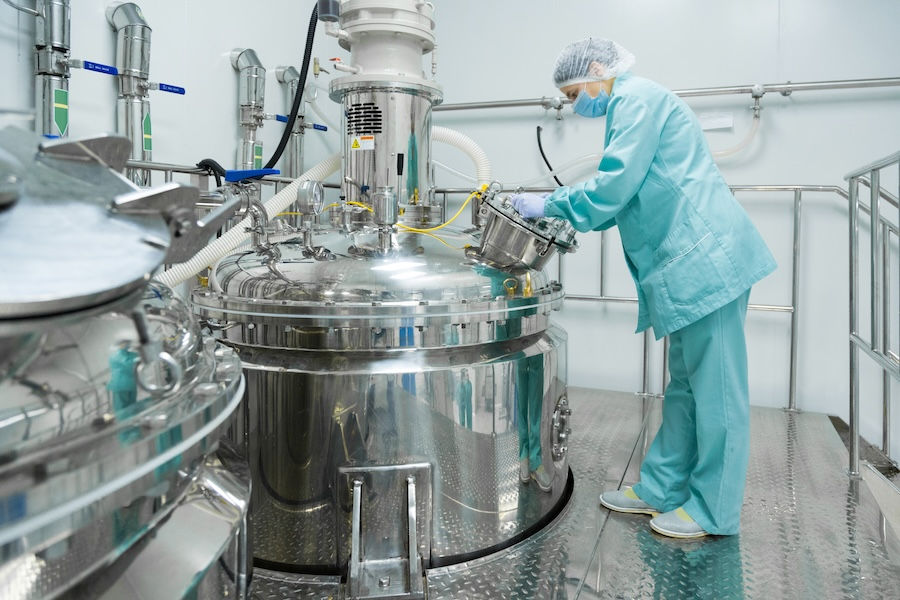
How Pharmaceutical Products That Use Liquid Filling Services Are Manufactured
Liquid filling plays a critical role in ensuring pharmaceutical products are safe, effective, and compliant. Accurate dosing, contamination control, and packaging integrity all depend on reliable filling processes.
For Pharmaceutical Products That Use Liquid Filling Services, partnering with an experienced provider helps support:
Regulatory compliance and documentation
Consistent product quality
Efficient production timelines
Scalable manufacturing solutions
Automated systems reduce variability while improving throughput, making them ideal for both large production runs and smaller, specialized batches.
Automated Filling Services and Pharmaceutical Liquid Filling
At the end of the production chain, the right partner can make a meaningful difference. Automated Filling Services supports pharmaceutical brands with liquid filling services designed to align with compliance requirements, product formulations, and long-term growth plans. From contract manufacturing to contract packaging, AFS works with brands at different stages of development to help streamline production without sacrificing quality.
If you’re evaluating liquid filling options for pharmaceutical products, working with a partner that understands compliance testing, scalability, and packaging requirements can help reduce risk and simplify the manufacturing process. Learn more about how Automated Filling Services supports pharmaceutical liquid filling by contacting us today.


Comments