
How Long Does Liquid Product Manufacturing Take
If you've ever wondered why getting a liquid product to market takes longer than expected, you're not alone. Whether you're a first-time brand owner or a business scaling up production, understanding the timeline for liquid manufacturing can save you a lot of frustration — and help you plan smarter.
The truth is, there's no single answer. Timelines vary depending on the complexity of your product, your packaging choices, regulatory requirements, and the capacity of the liquid filling company you partner with. That said, most projects follow a similar roadmap, and knowing what to expect at each stage makes the whole process a lot less intimidating.
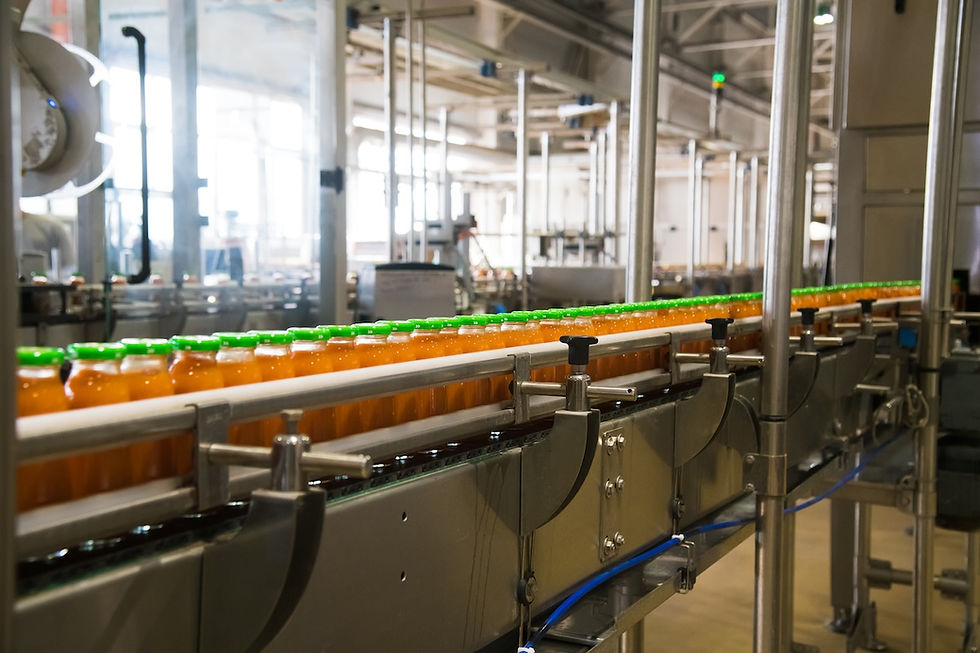
Table of Contents
What Goes Into a Liquid Manufacturing Timeline
Liquid manufacturing isn't just mixing ingredients and pouring them into bottles. It's a multi-step process that involves formulation, testing, sourcing, filling, labeling, and more. Each phase has its own timeline, and delays in one area can push everything else back.
Understanding these stages upfront is one of the most valuable things you can do before you launch a product. It helps you set realistic expectations with retailers, investors, and customers, and it keeps your project moving forward without unnecessary surprises.
Product Formulation: Where It All Starts
Before anything gets produced, your product formulations need to be developed and finalized. This is the stage where the actual recipe for your liquid is created, tested, and refined. Depending on the complexity of the formula and the type of product you're making, this phase alone can take anywhere from a few weeks to several months.
If you're starting with a custom formula from scratch, expect this stage to take longer. A straightforward cleaning product or simple lotion might come together quickly, but a more complex supplement, personal care item, or specialty chemical formulation will require multiple rounds of testing before it's ready to move forward.
Working with a contract manufacturing partner that has in-house formulation capabilities can significantly speed up this process. Rather than coordinating between separate labs and facilities, everything stays under one roof, which keeps communication tight and timelines shorter.

Sourcing Ingredients and Packaging Materials
Once your formula is locked in, the next step is sourcing everything you need to produce it at scale. This includes raw ingredients, containers, closures, pumps, labels, and any other packaging components. Lead times on materials can vary widely based on supplier availability, order quantities, and global supply chain conditions.
Standard packaging options are generally faster to source, while custom bottles, specialty closures, or branded packaging for cosmetics packaging can add several weeks to the timeline. It's worth having early conversations with your production partner about what's in stock versus what needs to be ordered, so you can factor those timelines into your launch plan.
Testing, Compliance, and Approvals
This is one of the most important and often underestimated phases of liquid manufacturing. Depending on your product category, you may need stability testing, microbial testing, safety assessments, or regulatory approvals before production can begin.
For example, personal care products and over-the-counter items in the United States are regulated by the FDA, and making sure your product meets labeling and safety standards is non-negotiable. Products going through contract filling for distribution in multiple markets may also need to meet different regional requirements, which adds additional review time.
Rushing this stage is never a good idea. Cutting corners on testing can lead to product recalls, regulatory issues, or customer safety concerns down the line. Build adequate time into your schedule so that testing and approvals don't become the bottleneck that derails your entire launch.
Production and Liquid Filling
Once testing is done and materials are sourced, production can begin. This is where the actual liquid filling happens, and the length of this phase depends on your order volume, the complexity of the fill, and the equipment being used.
High-speed automated filling equipment can process thousands of units per hour, which means that for most standard orders, the actual fill runs relatively quickly once everything is set up. Setup time, line changeovers, and quality control checks are also factored in, so the production phase typically ranges from a few days to a couple of weeks.
At Automated Filling Services, our automated liquid filling equipment is designed to handle a wide range of product types and container formats, which helps keep production timelines efficient without sacrificing accuracy or quality.
Contract Packaging and Finishing Touches
After filling, products move into the contract packaging phase. This includes labeling, capping, shrink-wrapping, bundling, kitting, or any other finishing work that needs to happen before products are shelf-ready. Co-packing services can also include case packing and palletizing for distribution.
The timeline here depends largely on how complex your packaging setup is. A product with a simple label and cap will move through this stage quickly. A product that involves multiple components, gift sets, or custom co-packing configurations will naturally take more time.

How Long Does Liquid Product Manufacturing Take From Start to Finish?
For most liquid products, the full timeline from initial formulation to finished, packaged goods runs somewhere between three and six months. Simpler products with existing formulas and standard packaging can sometimes be completed in six to eight weeks. More complex projects involving custom formulations, specialty packaging, or extensive regulatory review can stretch to nine months or longer.
The biggest factors that impact your timeline are how prepared you are coming into the process, the responsiveness of your suppliers, and the capabilities of the liquid filling company you choose to work with. Brands that come in with a clear vision, approved formulas, and packaging decisions already made tend to move through production significantly faster than those still sorting out the details.
Whether you're exploring white labeling, contract manufacturing, or custom product development, building a realistic timeline is one of the smartest things you can do for your brand. Understanding each phase of the process helps you avoid costly delays and get your product to market with confidence.
Partner with Automated Filling Services for Your Next Liquid Product
If you're ready to start planning your liquid product launch, the team at Automated Filling Services is here to help. We work with brands of all sizes on contract filling, co packing, and full-service contract packaging solutions. Reach out today to learn more about our services and how we can help bring your product to life on a timeline that works for you.


Comments